Sleep & Recovery (2026)
Sleep is the most underrated performance enhancer in sports. Stanford researchers found that extending sleep improved sprint times, shooting accuracy, and reaction time — and athletes sleeping under 8 hours faced 1.7x the injury risk. Here's the gear that helps you actually get it.
The short version: athletes need 9–10 hours of sleep in heavy training, and most get far less. The fix starts with the bedroom: a medium-firm mattress that keeps your spine aligned, cooling construction for hot sleepers, and a dark, quiet room. Below are our top mattress picks for athletes, plus guides on the sleep research and the gear behind it.
Three rules that matter more than brand: medium-firm beats both extremes for back pain and alignment. Cooling is not a luxury — your core temperature must drop for sleep onset, and athletes run hot. And always buy with a real trial period (100+ nights from the direct brands), because no showroom nap tells you how a mattress feels in week three.
Our top picks for 2026
The standouts this year — based on reviewer consensus, not hype.
Bear Elite Hybrid Mattress
The athlete's pick. Copper-infused cooling foam and hybrid support from the brand that markets to athletes — our best overall.
Purple Mattress
The cooling champion. Purple's open grid design sleeps cooler than dense foam, with standout pressure relief for side sleepers.
Nectar Memory Foam Mattress
The value play. Classic contouring memory-foam comfort at a price that leaves room for a great pillow and sheets.
As an Amazon Associate we earn from qualifying purchases. If you buy through links on this page, we may earn a commission at no extra cost to you. Learn more.
Guides & comparisons
Go deeper with our detailed buying advice.
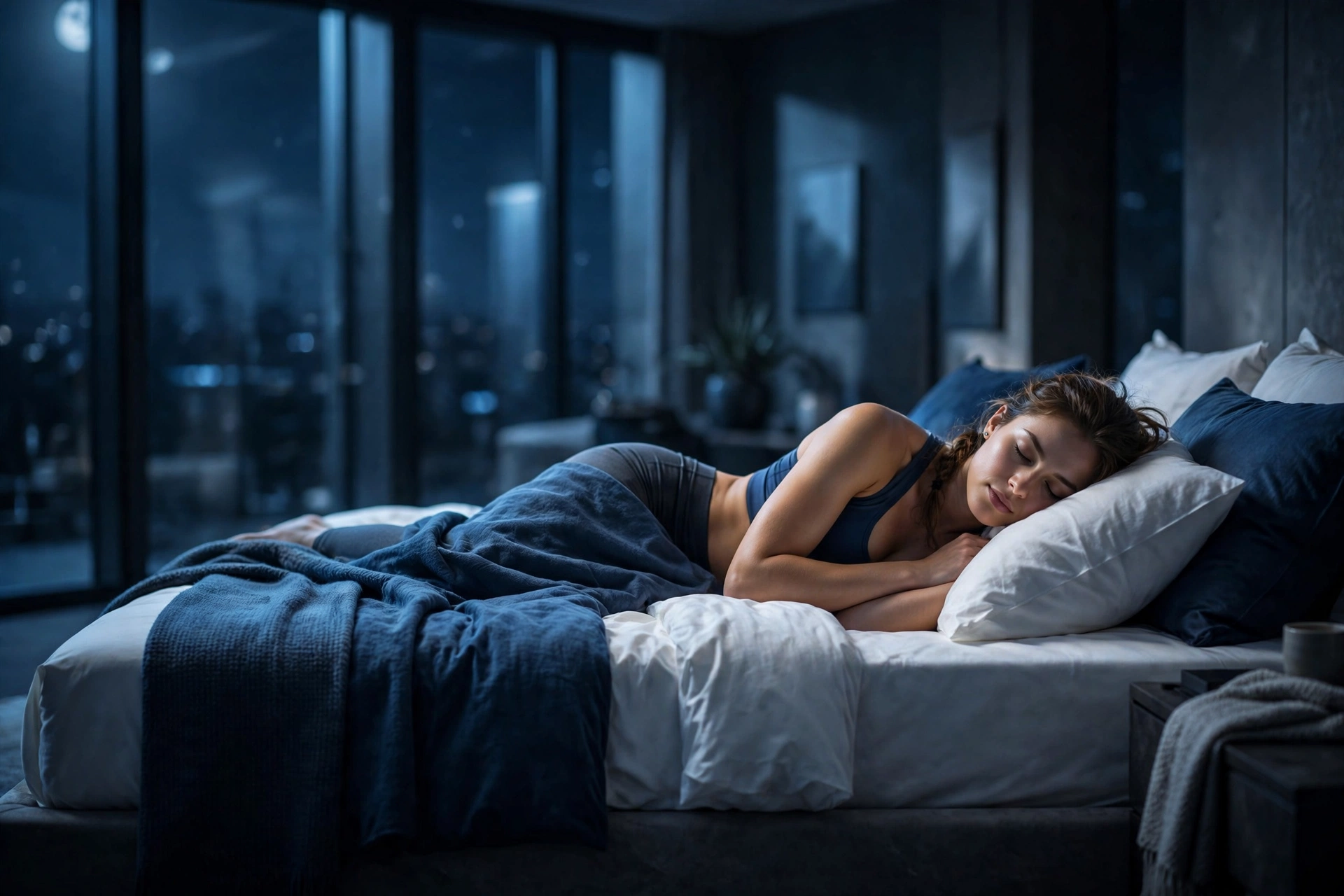
Best Mattresses for Athletes (2026)
Six mattresses ranked for recovery — plus what Stanford's sleep research says about performance.
Read now →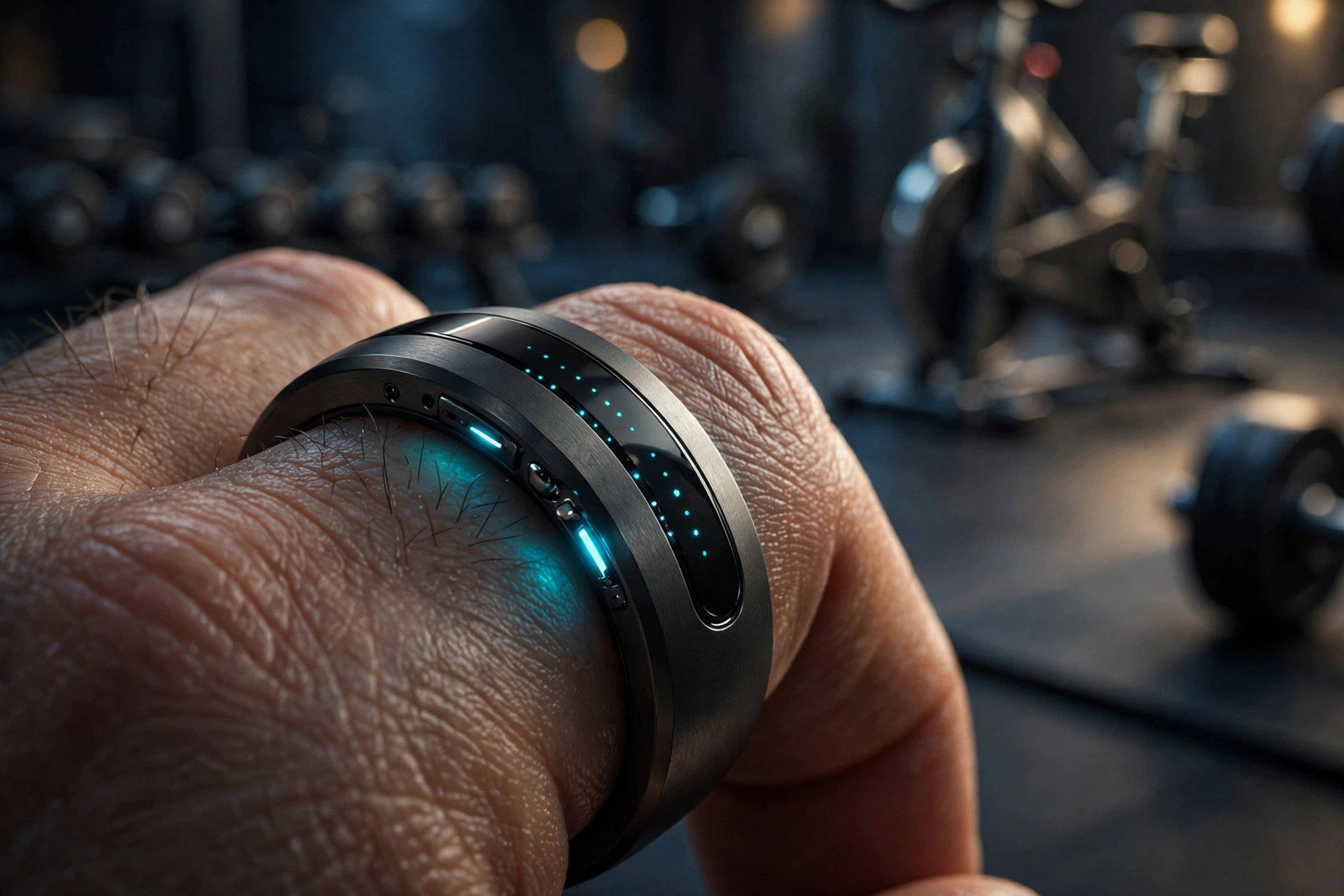
Are Smart Rings Worth It? Oura Ring 5 Review
Track the sleep you're now prioritizing — our deep dive on the Oura Ring 5.
Read now →Quick answers
How much sleep do athletes need?
More than the standard 8 hours. Research on elite athletes — including the well-known Stanford basketball study — points to 9–10 hours during heavy training. The Stanford players targeted 10 hours in bed and actually slept about 8.5, and still saw measurable performance gains.
What mattress firmness is best for athletes?
Medium-firm for most people. Studies on sleep and back pain consistently favor medium-firm: firm enough to keep the spine neutral, soft enough to cushion shoulders and hips. Strict stomach sleepers and heavier back sleepers can go firmer; lightweight side sleepers can go softer.
Do cooling mattresses really work?
For hot sleepers, yes. Your core temperature has to drop 1–2 degrees for sleep onset, and overheating causes fragmented sleep. Breathable builds — coils, Purple's open grid — genuinely sleep cooler than dense memory foam. Athletes tend to run hot, so cooling matters more for this audience than average.
Should I buy a mattress on Amazon or direct from the brand?
Both work. Buying direct usually gets you the longest trial (often 100+ nights) and white-glove delivery; Amazon gets you fast shipping and easy returns. Our links go to Amazon for convenience — but check the brand's own site for trial terms before you buy, especially on $1,000+ mattresses.